By Keren Abraham
Buying a home in Paramus is an exciting step, especially in a market where location and condition both play a major role in value. From established neighborhoods near Van Saun Park to streets closer to Route 17, properties vary widely in age, layout, and upkeep. One of the most important stages in protecting your investment happens after your offer is accepted. Understanding the process of a home inspection before buying ensures you move forward with clarity rather than uncertainty.
Key Takeaways
- A home inspection evaluates condition, not cosmetic style
- Structural and mechanical systems are closely reviewed
- Older homes may require additional specialized inspections
- Inspection findings can influence negotiation strategy
What a Standard Home Inspection Covers
Core components typically reviewed
- Roofing and exterior surfaces
- Foundation and structural elements
- Plumbing, electrical, and HVAC systems
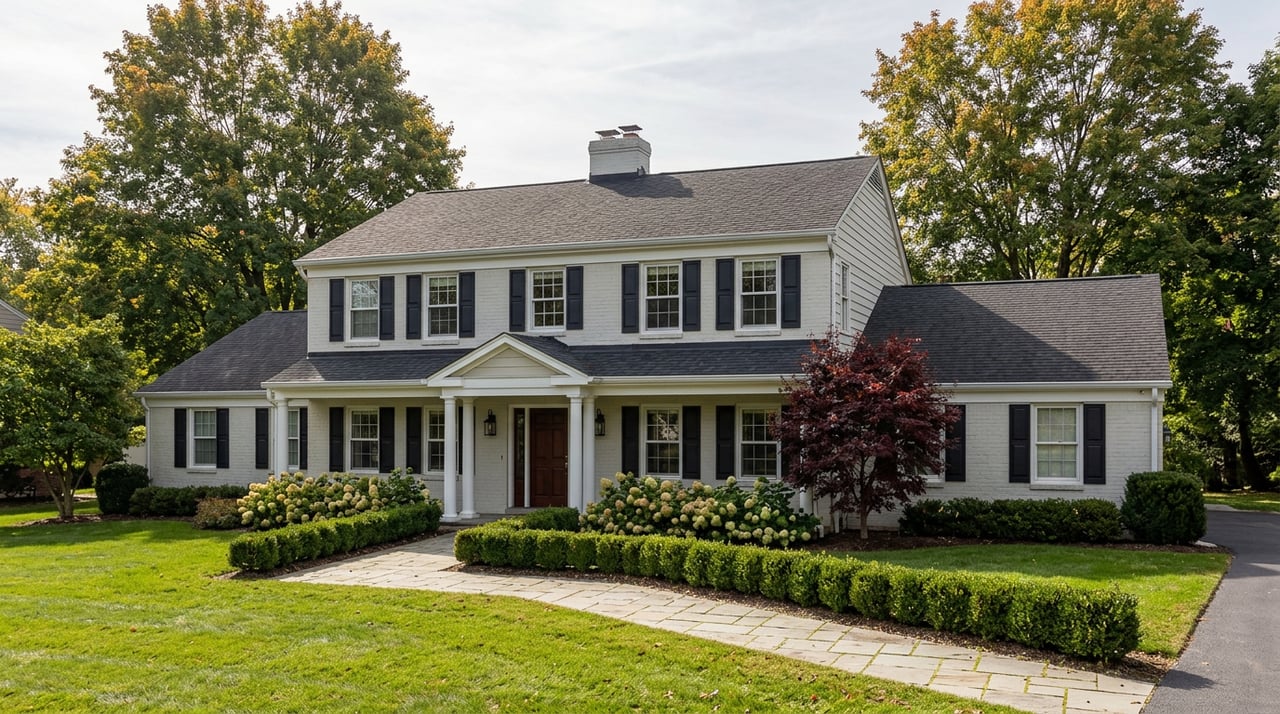
A general home inspection focuses on the major systems and structural integrity of the property. Inspectors evaluate visible components of the roof, siding, windows, and foundation. Inside, they examine electrical panels, plumbing lines, heating and cooling systems, and overall condition. The purpose of a home inspection before buying is to identify material issues that could affect safety, function, or long-term maintenance—not to highlight minor cosmetic imperfections.
Why Paramus Homes Require Careful Review
Factors unique to local properties
- Age variation across neighborhoods
- Traffic exposure near major roads
- Seasonal weather impact on exteriors
Paramus includes homes built across several decades, and age can influence system performance. Properties located near heavily traveled roads may experience different exterior wear compared to those on interior streets. Seasonal weather patterns in New Jersey also impact roofing, gutters, and drainage systems. Local context shapes how findings are interpreted during a home inspection before buying.
Roof, Drainage, and Exterior Condition
Areas inspectors evaluate closely
- Shingle age and condition
- Gutter functionality
- Grading around the foundation
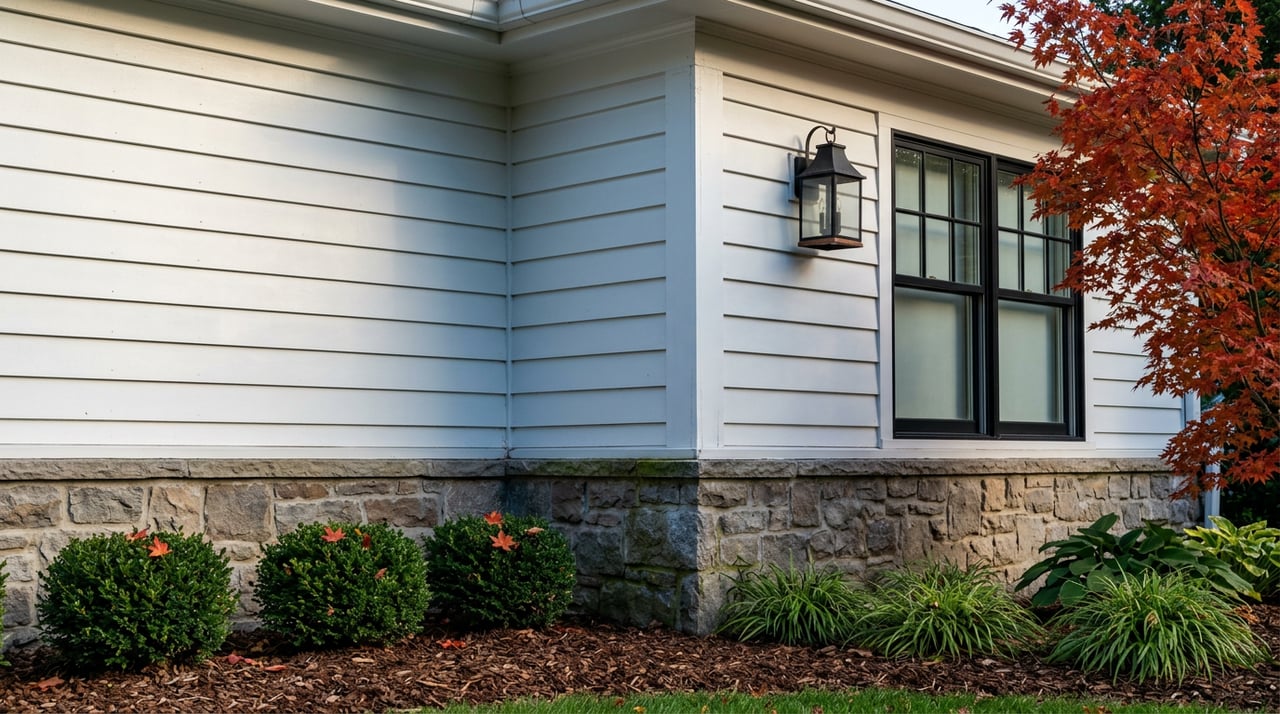
Roof condition plays a significant role in overall home health. Inspectors look for visible wear, missing shingles, or signs of prior repairs. Proper grading and drainage help prevent water intrusion, especially during heavy rainfall. Exterior maintenance often provides early clues about how the home has been cared for over time.
Mechanical Systems and Utilities
What buyers should understand
- Age of HVAC equipment
- Electrical panel capacity
- Water heater condition
Mechanical systems represent some of the largest potential replacement costs. Inspectors assess the approximate age and functionality of HVAC units, review electrical panels for safety compliance, and check water heaters for visible wear. Clear documentation of these systems helps buyers anticipate future expenses realistically.
Basements and Moisture Concerns
Why lower levels deserve attention
- Signs of water intrusion
- Foundation cracks
- Proper sump pump function
Finished and unfinished basements are common in Paramus homes. Inspectors check for moisture stains, cracks, and evidence of prior water issues. Proper sump pump operation and drainage management are critical components of a thorough home inspection before buying. Addressing moisture concerns early protects both structural integrity and interior finishes.
Attending the Inspection Matters
Benefits of being present
- Direct clarification from the inspector
- Better understanding of maintenance items
- Opportunity to ask real-time questions
While not mandatory, attending the inspection allows buyers to see findings firsthand. Walking through the home with the inspector provides context that written reports alone may not fully convey. Participation often transforms a lengthy report into practical understanding.
What Happens After the Report
How buyers typically proceed
- Requesting repairs
- Negotiating credits
- Accepting the property as-is
Inspection reports frequently include both minor and significant findings. Not every item warrants negotiation. Structural issues, safety concerns, or major system deficiencies are typically addressed, while smaller maintenance items may simply inform future planning. Strategic evaluation of the report supports confident decision-making.
Keep Expectations Realistic
Important perspective to maintain
- No home is flawless
- Inspection reports often appear extensive
- Focus should remain on material issues
Even well-maintained homes generate detailed inspection reports. Many notes reflect standard wear rather than serious defects. A balanced approach helps buyers distinguish between routine upkeep and meaningful concerns. A thorough home inspection before buying is about transparency and preparation.
FAQs
Is a home inspection required in New Jersey?
It is not legally required, but it is strongly recommended for buyers.
How long does the inspection take?
Most inspections last two to four hours, depending on property size and complexity.
Can I back out of the contract based on inspection results?
Inspection contingencies often allow renegotiation or withdrawal within specified timelines.
Making Informed Decisions in Paramus
The inspection phase is one of the most important protections available to buyers. Understanding conditions before closing helps you plan repairs, budget accurately, and negotiate appropriately.
If you’re preparing for a home inspection before
buying in Paramus, speak with me,
Keren Abraham. Clear insight and thoughtful strategy can make this stage feel structured and manageable rather than overwhelming.