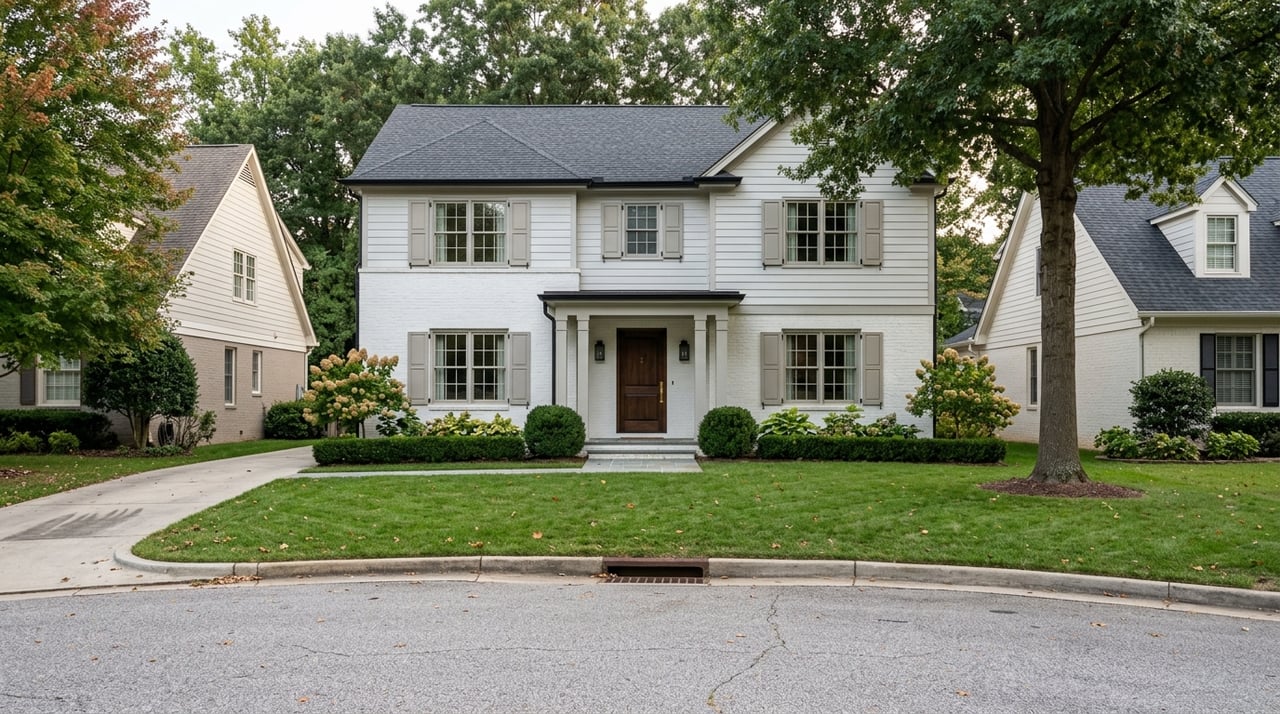
Why Cul-De-Sac Living Is So Popular In Paramus
Wondering why cul-de-sac homes in Paramus seem to get so much attention? If you are looking for a quieter street, more usable outdoor space, and a classic suburban feel, it makes sense to focus on these tucked-away pockets of town. In Paramus, the appeal is not just about preference. It is tied to how the borough developed, how its neighborhoods function, and what many buyers want from daily life. Let’s dive in.
Paramus has many of the traits that make cul-de-sac streets especially appealing. The borough has about 26,786 residents in 10.45 square miles, which creates a compact suburban setting rather than a far-out low-density one. That means your home life often exists alongside commuting, school schedules, shopping trips, and regular local errands.
The borough is also strongly owner-occupied. Census data shows an 82.6% owner-occupied housing rate and a median owner-occupied home value of $813,900. In a market like this, buyers often place a premium on streets that feel calmer and more removed from through traffic.
Part of the story is geography and growth. Paramus began as a rural area and changed significantly after World War II, becoming known for major retail corridors and shopping destinations. Today, the borough still reflects that pattern, with strong commercial activity along Routes 4, 17, and the Garden State Parkway.
That contrast matters. When a town has active retail corridors and commuter movement around its edges, quieter interior streets can feel even more valuable. For many buyers, a cul-de-sac offers a sense of separation from the busier parts of everyday life while still keeping you close to what you need.
Cul-de-sac popularity in Paramus is not an accident. The borough’s subdivision code says minor streets should discourage through traffic, and dead-end streets may not exceed 1,200 feet. The code also says natural features should be preserved whenever possible.
Those rules help explain why low-traffic interior streets remain a normal part of the borough’s residential layout. In other words, the street network itself supports the kind of quieter setting many buyers are looking for. That is a major reason cul-de-sac living continues to attract attention here.
Paramus also has multiple one-family zoning districts, including R-50, R-75, R-100, and R-150. Alongside other district types, these one-family zones help maintain the detached-home character that many buyers associate with suburban living.
For you as a buyer, that often translates into neighborhoods with a more consistent feel. Instead of a random mix of housing types on every block, many residential pockets in Paramus offer a more predictable layout and streetscape. Cul-de-sacs fit naturally into that pattern.
One reason cul-de-sac living feels especially attractive in Paramus is the way neighborhood parks connect to residential streets. The borough maintains 18 parks across more than 105 acres, which adds meaningful recreational space throughout town.
Several parks are located at the ends of residential streets or are accessed from courts and small interior roads. Examples listed by the borough include Faber Park at the dead end of Hemlock Drive, Mele Park at the dead end of Silverrod Court, Reid Park at the dead end of Spencer Place, Sirianni Park at the end of Midwood Road, and Fairway Oaks Park accessible from Farmington Lane and Cumberland Court.
That pattern can make cul-de-sac living feel more connected to everyday outdoor use. Instead of treating park access as a separate destination, some of these neighborhood layouts weave open space into the rhythm of residential life.
If you are comparing homes in Paramus, a cul-de-sac often checks several boxes at once. You may get a lower-traffic setting, a more tucked-away feel, and a layout that supports driveway parking, garages, and outdoor space.
Paramus also fits the profile of a commuter suburb. Census data shows a mean travel time to work of 30.8 minutes, which helps explain why buyers may want a calmer home environment at the end of the day. When work, errands, and school routines keep life moving, the street where you live starts to matter even more.
The local school district adds to that daily-life structure. Paramus Public Schools serves students from preschool through high school across eight campuses. Without making lifestyle assumptions about any household, that kind of established public infrastructure often supports steady interest in residential neighborhoods designed for routine, convenience, and long-term ownership.
Recent public listing examples give a useful snapshot of what buyers commonly see on cul-de-sacs in Paramus. These examples are not a full market sample, but they do show recurring patterns.
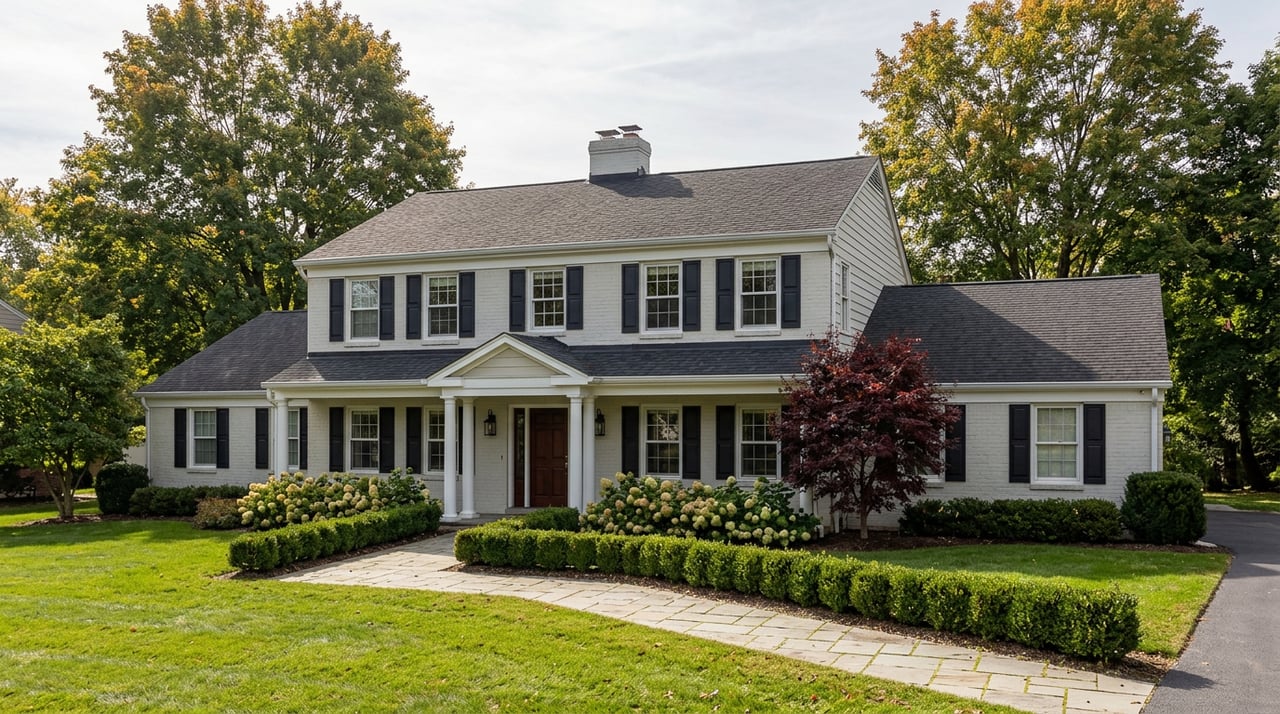
Many homes are detached single-family properties such as colonials, center-hall colonials, split-levels, bi-levels, and ranches. Common features include:
Examples in recent listings included homes on Cardinal Place, Paul Court, Jonquil Court, and Croton Place, plus a ranch on South Terhune Avenue with a 0.70-acre lot. Across these homes, the consistent theme is space that works for everyday living, storage, parking, and time spent at home.
Not every cul-de-sac home feels the same, even within the same town. If you are serious about buying in Paramus, it helps to look beyond the street label and study how the property actually functions.
Here are a few things worth checking:
Cul-de-sac lots can be wider in the back or shaped a little differently than standard lots. That can be a plus, but it is smart to see how the yard is actually laid out. A larger lot on paper does not always mean the outdoor space is equally usable.
Many Paramus cul-de-sac homes include attached garages, but the way the driveway works still matters. Think about turning space, guest parking, and how easy it is to move in and out during a busy week.
Because some Paramus parks are tied closely to interior residential streets, location can shape how you use the neighborhood. A home near a park, commuter route, or major errand corridor may offer a different day-to-day experience than one deeper inside a residential section.
It is also worth confirming whether a street is a true dead-end or simply a very low-traffic interior road. Both can feel quiet, but the layout may affect parking, circulation, and your overall impression of privacy.
In Paramus, cul-de-sac living works because it fits the borough’s larger identity. This is a mature suburban market with strong owner occupancy, established one-family neighborhoods, active commercial corridors, local parks, and subdivision rules that favor low-traffic internal streets.
That combination gives cul-de-sacs a practical appeal, not just an emotional one. They offer a quieter residential setting within a town that stays connected, active, and highly functional. For many buyers, that balance is exactly what makes Paramus such a compelling place to search.
If you are thinking about buying or selling a home in Paramus, working with someone who understands how block-by-block location affects value can make a real difference. Keren Abraham brings deep Bergen County experience, hands-on guidance, and a thoughtful approach that helps you make smart decisions with confidence.
As a trusted advisor, I am dedicated to serving my community, clients, and friends. My ultimate goal is to provide a 1st class, white-glove experience, ensuring a smooth and seamless move. With my extensive experience as a businesswoman, I am committed to guiding you towards making the right investment decisions.